
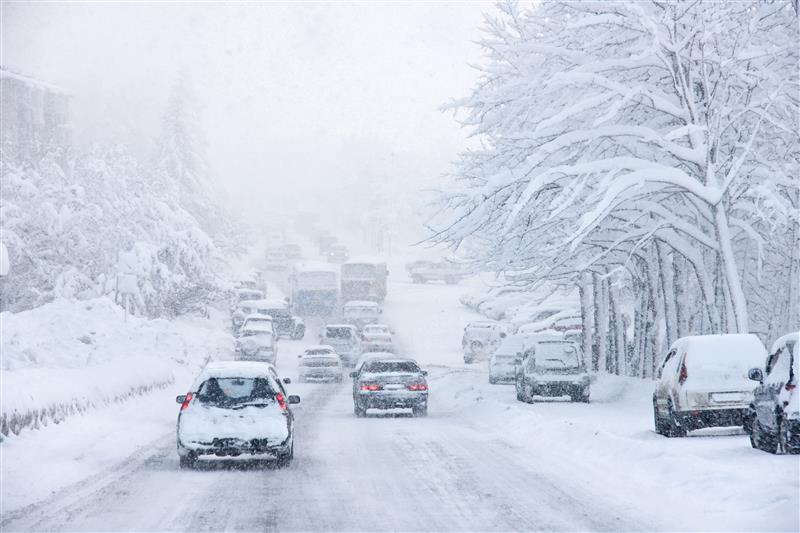
As a series of winter storms battered much of the country, including here in Washington, D.C., local broadcasters rose to the moment.
While communities faced power outages and uncertainty, radio stations stayed on the air and kept Americans informed when it mattered most. That kind of reliability is why broadcasting is the most trusted and most turned to medium during times of emergency. As Radio Ink says, “As millions of Americans faced blackouts, icy roads and canceled events, radio’s ability to operate independently of broadband networks once again moved from abstract value proposition to lived reality.”
This is another reminder that communities across our country depend on AM radio for news and information as well as the emergency alert system.
In Oklahoma City, KOCO-TV meteorologist Michael Armstrong spent the storm providing live updates on hazardous road conditions. When he was not on camera, he and Chief Photographer Kyle Hamm were helping dig stranded drivers out of the snow.
Shreveport, La.’s KTBS 3 paired extended snow coverage with a hotline viewers could call for direct assistance with winter weather, local closures and current road conditions.
As extreme cold continues to grip large parts of the country, broadcasters remain on high alert. This CBS News story informed by reporting from CBS stations across the country counts more than 60 deaths so far.
With students in western Pennsylvania returning to school after a week of remote learning, Pittsburgh’s 11 News, owned by Cox Media Group, spoke to concerned families about the safety of getting to schools through lingering ice and extreme cold.
As another storm headed toward North Carolina, Gov. Josh Stein headed to the airwaves to get the message out to help his state stay safe. “This is the kind of snowstorm that we don’t get very often in North Carolina,” he said Sunday during a news briefing. “Our key message today is to stay off the roads, that way you’ll allow the road crews and law enforcement to focus on their essential tasks to keep us all safe.”
During these dangerous times, the news and emergency updates local broadcasters provide in their local communities are a vital lifeline. During extreme weather and everyday, broadcasters are here.
Learn more about stations’ vital service at WeAreBroadcasters.com.


